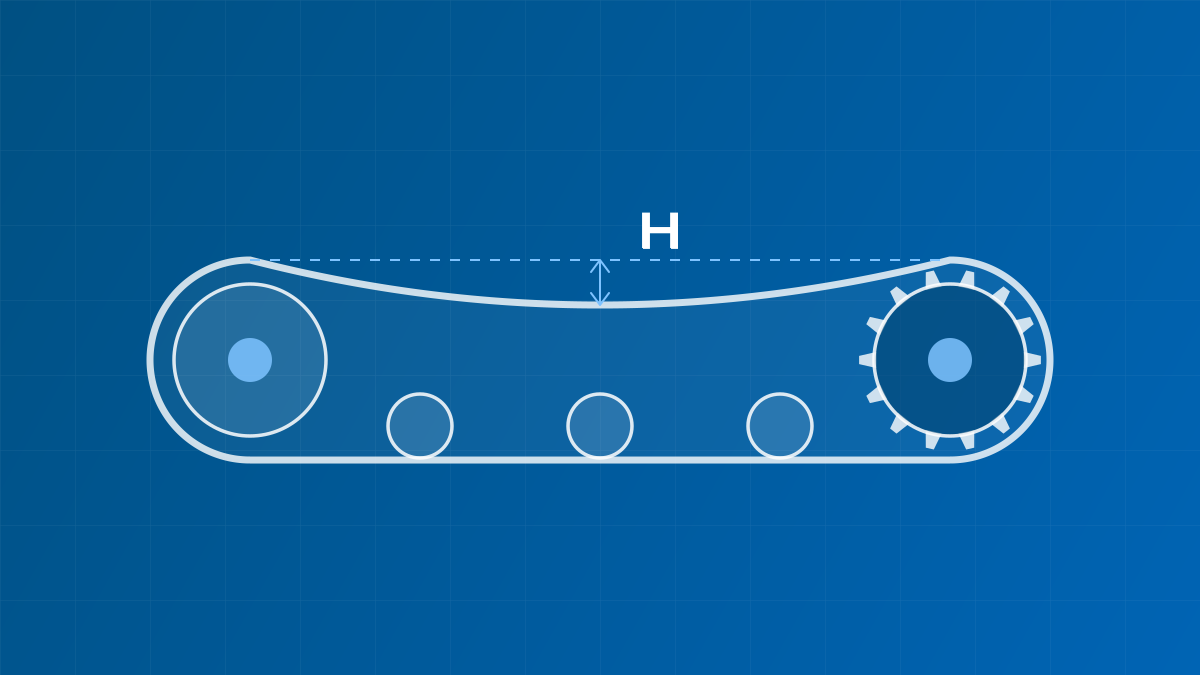
Rubber track tension and maintenance: checks, intervals, replacement signs
How the tensioner works, how to measure and adjust track sag correctly, how often to inspect the undercarriage and which signs tell you the track is due for replacement.

Practical guides to rubber tracks: markings, measuring, matching by machine model, tread and tension.
How the tensioner works, how to measure and adjust track sag correctly, how often to inspect the undercarriage and which signs tell you the track is due for replacement.
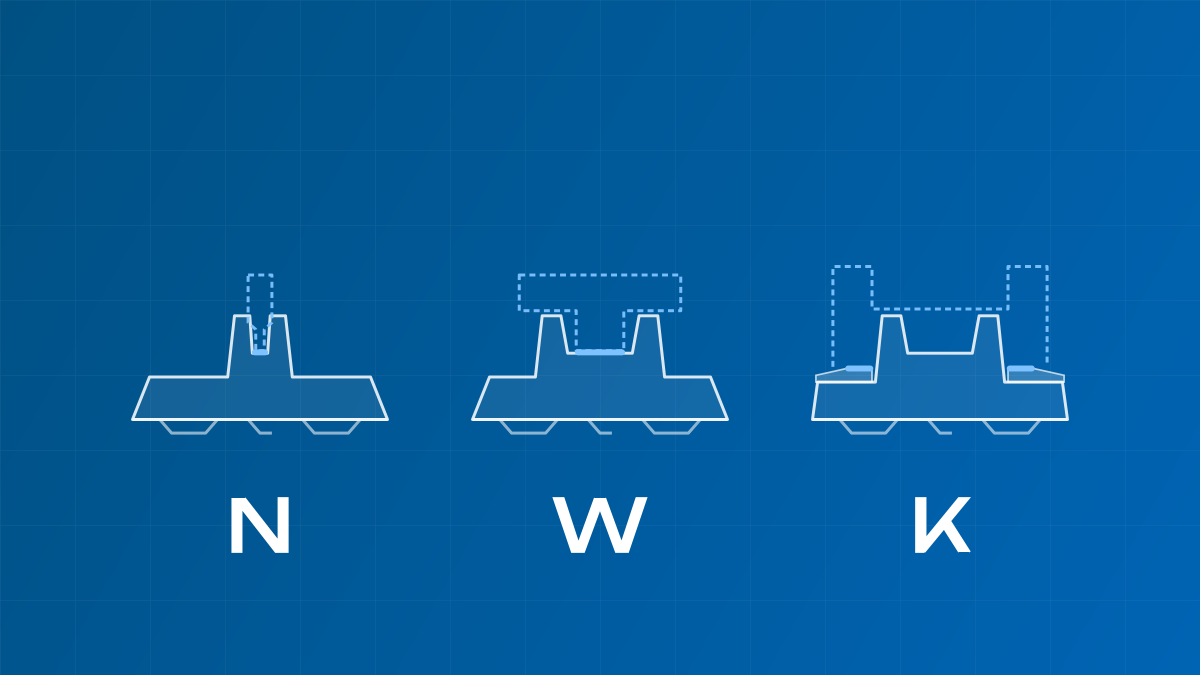
What the letters after the size numbers mean, why tracks with identical numbers can be incompatible, and which tread pattern — block, zigzag or chevron — to choose for your ground conditions.

A fail-safe selection process: the old track's marking, the machine's serial number plate, the compatibility catalogue — and what to do when one model accepts several track sizes.
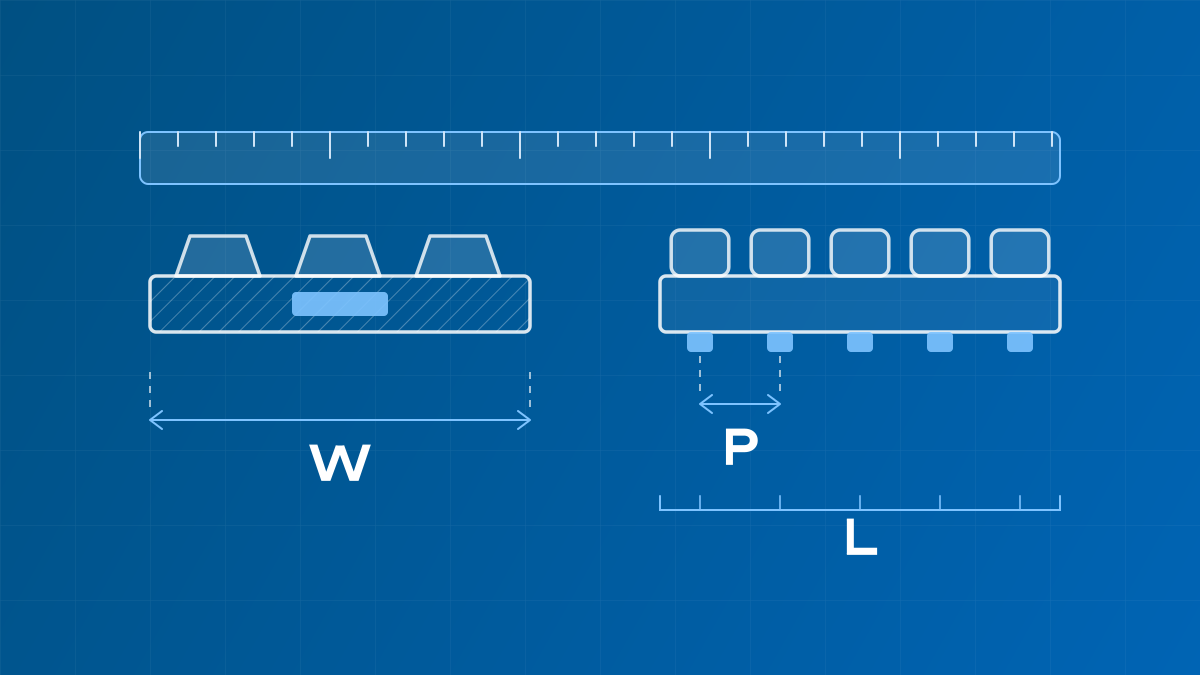
A step-by-step guide to measuring a rubber track when the marking has worn off: how to take the width and pitch without errors, count the links and sanity-check the result against a table of common mini excavator sizes.
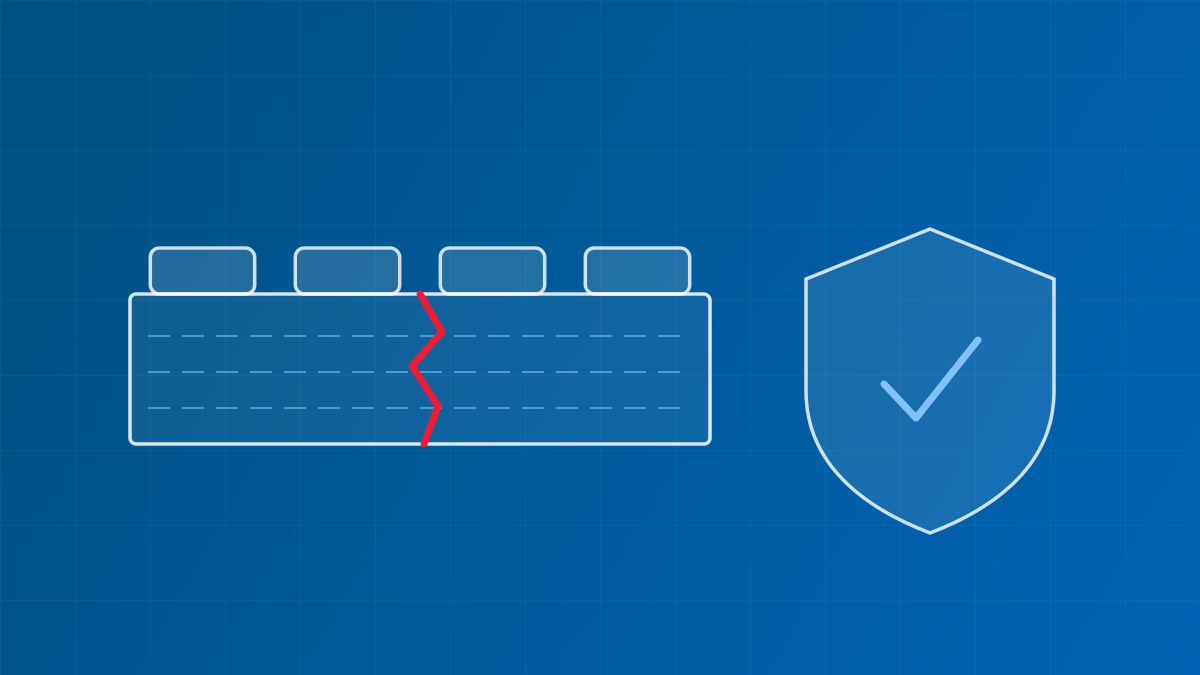
The seven main causes of premature track wear — from incorrect tension to a worn sprocket — and simple operating rules that add a season or two of service life.
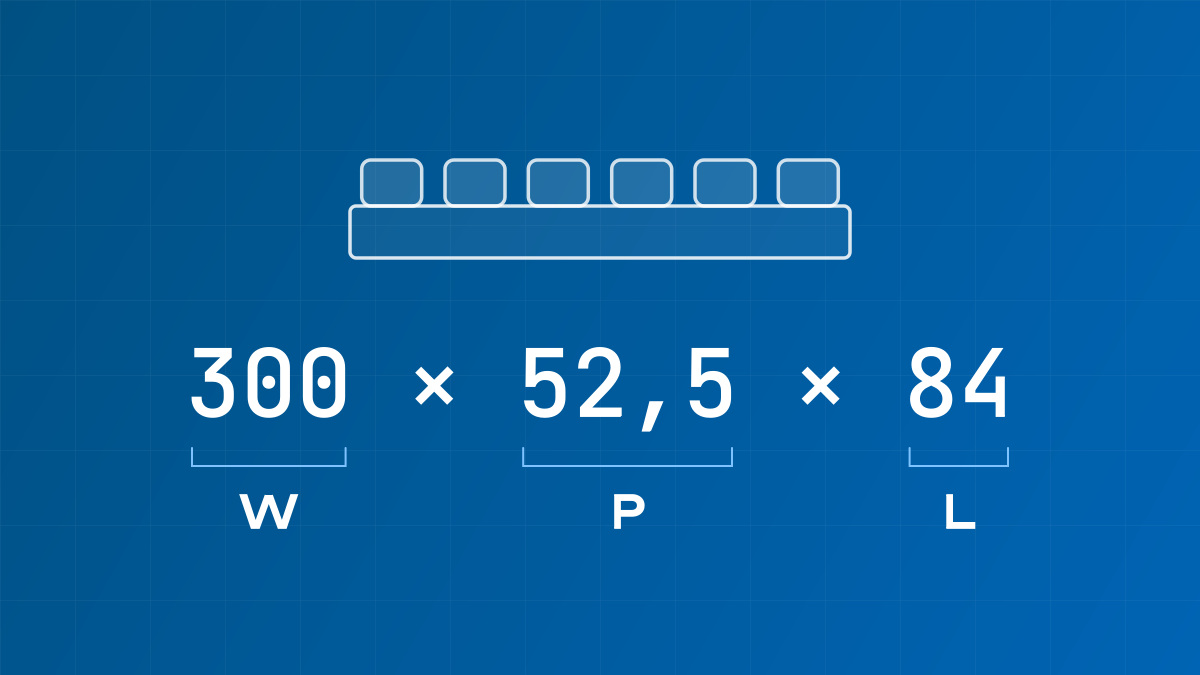
Breaking down markings like 300x52.5x84: what the numbers mean, where to find them on your old track and how to avoid mistakes with interchangeable sizes.