How to choose a rubber track for your machine model: step by step

“I need a track for my mini excavator, model so-and-so” — that's how most enquiries start. But the model name alone doesn't guarantee an exact match: the same machine may have been built with different undercarriages, and over the years a previous owner may have swapped the sprockets or fitted a non-standard size. Below is a three-step selection process that cuts the risk of error to a minimum.
Three sources of truth — from most to least reliable
- The marking on the track currently fitted to the machine.
- The machine's serial number plate and the operator's manual.
- The model compatibility catalogue.
The catalogue is a great first approximation, but the final word always belongs to the actual state of your undercarriage. Hence the order of the steps.
Step 1. Read the old track's marking
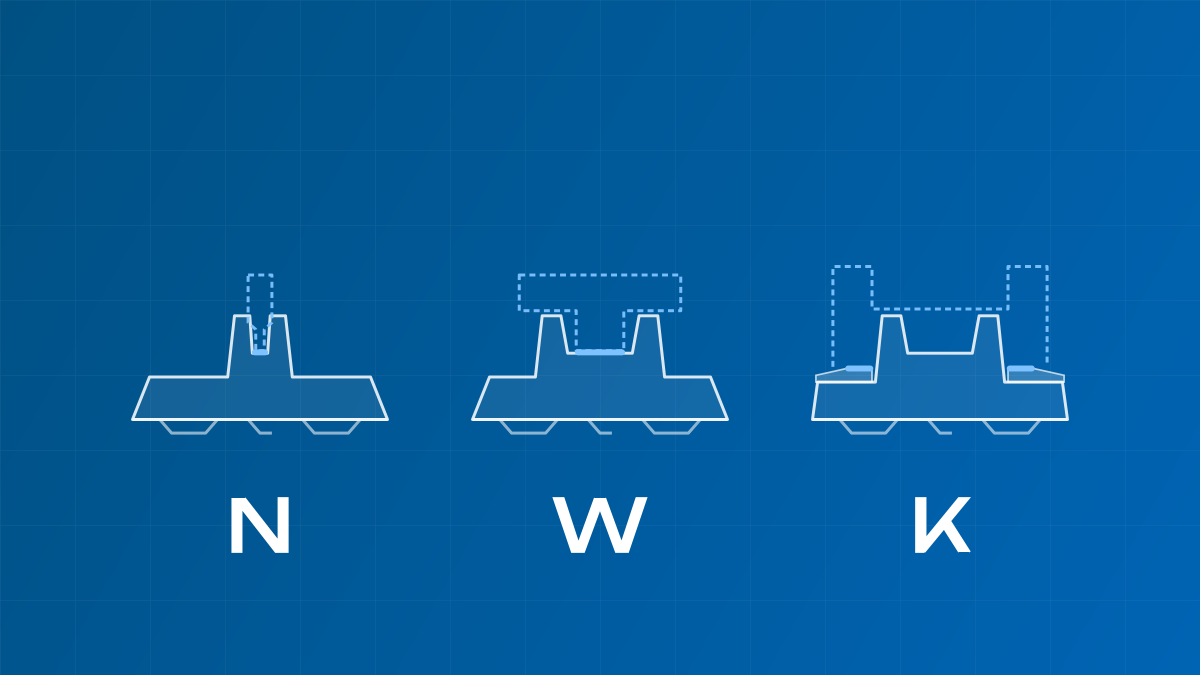
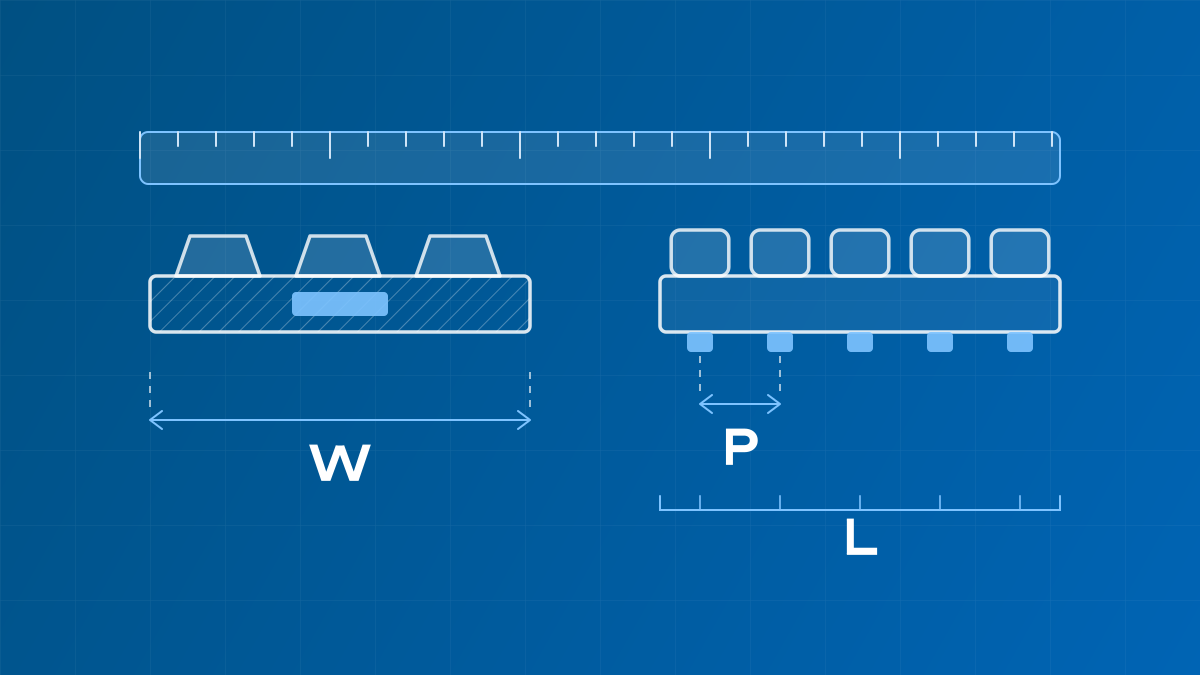
The size in the “width x pitch x number of links” format is moulded into the track's inner surface. We explained how to read it in our guide to picking a track by its marking, and if the embossing has worn off, use our measuring guide — a tape measure and chalk are enough. Note down the letter suffix too (N, W, K etc.) if there is one: it's part of the size.
One important exception: if the old track behaved suspiciously — skipped on the sprocket, rubbed against the frame, came off — tell the manager straight away. The previous track may have been mis-selected in the first place, and its size must not be copied.
Step 2. Cross-check with the machine's plate
The model and serial number are stamped on the serial number plate — look for it on the frame, the slewing platform or in the cab. This matters for two reasons:
- Variants. A single digit or letter in the model index often means a different weight class — and a different undercarriage with a different track size.
- Generations and markets. The same model name in different production years and for different markets could come with different undercarriages. The serial number pins down the exact configuration in the manufacturer's catalogues.
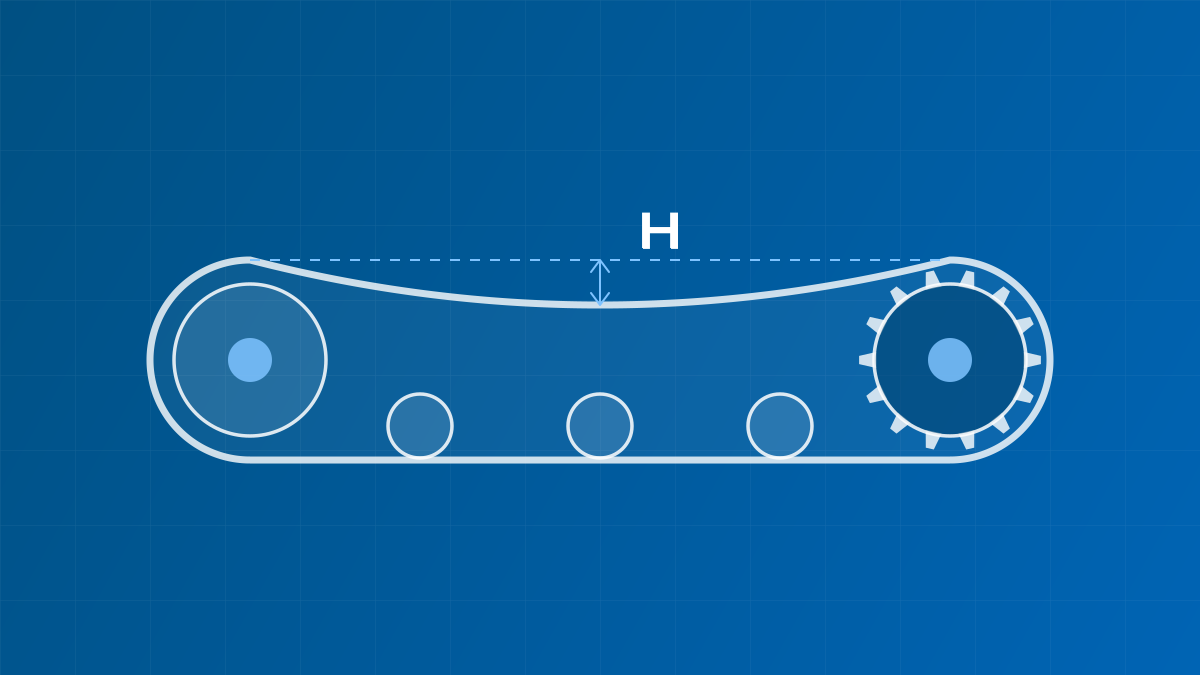
If you have the manual, check the undercarriage section: it states the factory track size and the correct sag.
Step 3. Select from the catalogue and verify the result
The machine selector on our home page works by machine type → brand → model. The catalogue shows the sizes fitted to that model and the compatible tracks with prices and stock. Now the key part: compare the suggested size with the marking on your old track.
- They match — go ahead and order.
- They don't — stop. Either the machine already runs an approved alternative size, or the undercarriage has been modified, or the catalogue entry refers to a different variant of the model. Send the manager photos of the marking and the plate — we'll get to the bottom of the discrepancy before you order.
Why one model can take several sizes
Seeing several sizes in the results is normal, not a catalogue error. The most common reasons:
- OEM size and approved alternatives. The machine maker defines the factory size, but for some undercarriages there are alternative pitch-and-link combinations with the same circumference. Important: switching to a different pitch means at the very least new drive sprockets, and the compatibility of the rest of the undercarriage (rollers, idler, tensioner stroke) has to be confirmed against the manufacturer's catalogue.
- Different generations of one model. After a facelift or a change of undercarriage supplier the size may have changed — which is exactly why the serial number matters.
- Width options. For wetlands, peat and loose soils some machines accept a wider track for lower ground pressure. Before switching, make sure from the machine's documentation that enough clearance remains between the track and the frame — there is no universal figure here.
- Suffix versions. One size can exist in versions with different insert and sprocket-window designs — those are the N, W, K letters in the marking. Details in our separate article on suffixes and tread patterns.
If your model isn't in the catalogue
The catalogue covers thousands of models, but machines can be exotic: low-volume brands, converted equipment, self-propelled platforms. That's not a dead end — the process simply shrinks to step 1: the old track's exact marking (or its measurements) plus photos of the track's inner side and the sprocket. With that data our manager will match a compatible size regardless of what's written on the machine's bonnet.
Replace one track or both
There's no hard rule — go by condition. If both tracks are worn to a similar degree, it's wiser to replace them as a pair: a new and a worn track have different actual circumferences and grip, the machine pulls to one side, and the new track wears faster. If the other track is relatively fresh (say, it was recently replaced on its own), replacing only the damaged one is acceptable — with the same size and preferably the same series.
Pre-order checklist
- The old track's marking: three numbers plus the suffix.
- Photos of the track's inner side and the drive sprocket.
- Model and serial number from the serial number plate.
- How the old track behaved: skipping, rubbing, coming off — if applicable.
- Working conditions: soil, rocks, asphalt, turf — these affect the choice of series and tread pattern.
With this data the manager confirms compatibility quickly, and the risk of an “it didn't fit” return drops sharply. Unsure at any step — call us or send the photos: the size is double-checked before every order is dispatched.