How to pick a rubber track by its marking: the complete guide
A rubber track is a consumable part, but one wrong digit in the order turns it into dead weight: the belt either won't fit the undercarriage or will come off in the very first shift. The good news is that three numbers from the marking are all you need for an exact match. Here's where to find them and how to read them.
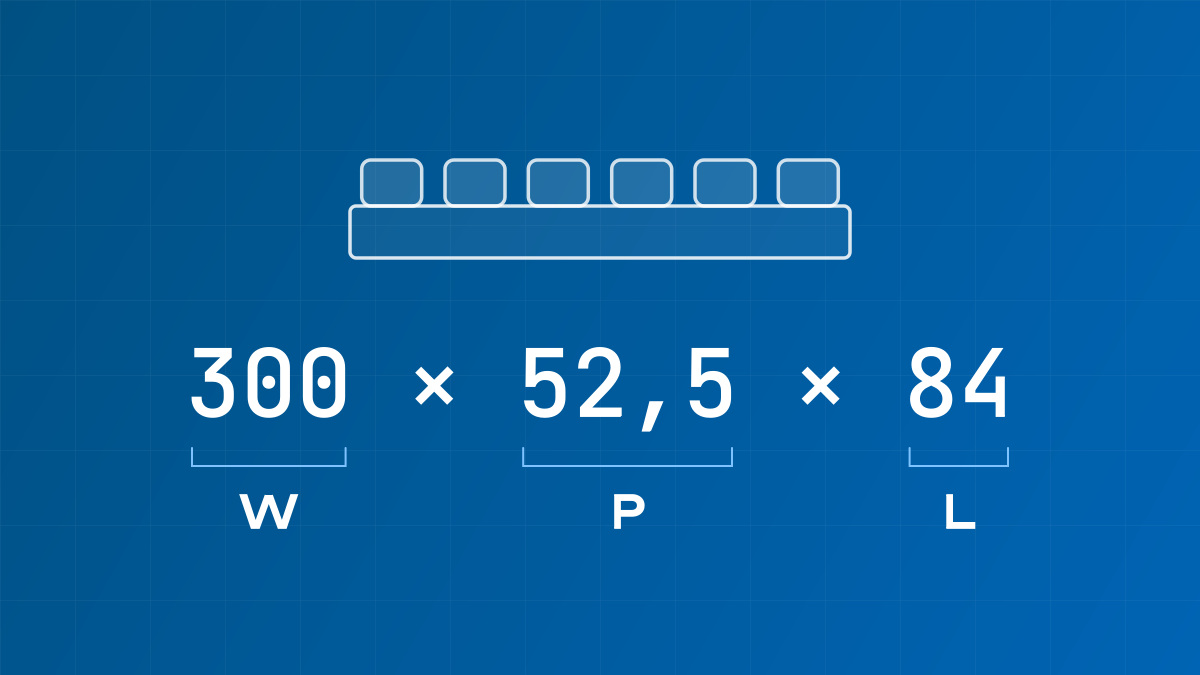
What the 300x52.5x84 marking means
Most manufacturers use a single size format: width x pitch x number of links.
- Width (300) — the belt size in millimetres across the direction of travel. It defines the contact area with the ground and must match the width of your machine's rollers.
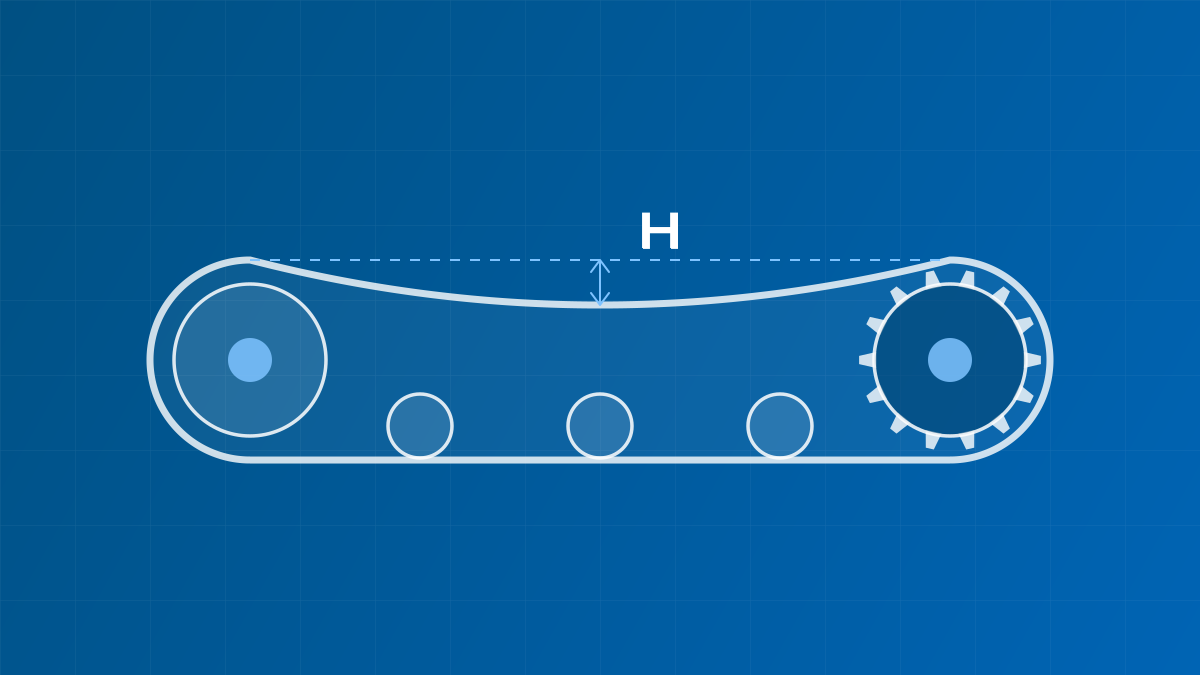
- Pitch (52.5) — the distance between the centres of adjacent metal inserts in millimetres. The pitch is what must match the drive sprocket's engagement: zero tolerance here.
- Number of links (84) — the count of metal inserts around the belt. Together with the pitch it sets the track's total length.
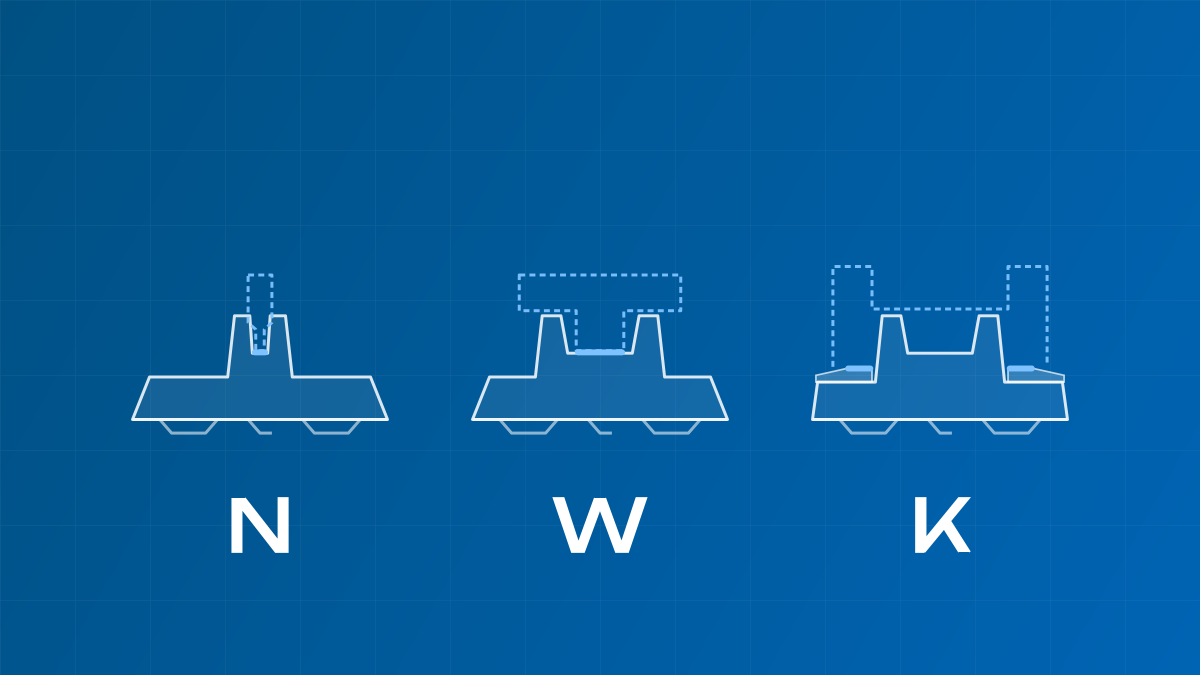
The letters after the numbers (e.g. N, K, W) denote a specific manufacturer's series or profile: a different tread pattern, sprocket window layout or reinforced cord. When replacing with another brand's equivalent, go primarily by the three numbers and the window type.
Where to find the marking
Check the inner surface of the belt between the engagement windows — most manufacturers mold the size into the rubber. If the lettering has worn off, measure the parameters yourself:
- Width — with a tape measure across the outer edge of the belt.
- Pitch — measure from the centre of the first insert to the centre of the eleventh — that is exactly 10 pitches — and divide by 10: this cuts the measurement error tenfold.
- Links — simply count the inserts around the belt, chalking your starting point.
Common matching mistakes
- Going "by machine model" without checking the undercarriage. The same excavator may have shipped with different undercarriage options, and after a repair the machine may be running a non-original sprocket. The marking on the old track is more reliable than any catalog.
- Mixing up 52.5 and 53. Half a millimetre of pitch across 84 links adds up to over 40 mm of difference in circumference. A belt with an "almost right" pitch will chew up the sprocket within a hundred engine hours.
- Ignoring the window type. Tracks with identical numbers come either with solid metal inserts or with sprocket windows of different shapes — compare photos with our catalog or send a picture to a manager.
Interchangeable sizes
Some machines have alternative sizes: for example, certain mini excavators take 230x96x31 instead of 230x72x43 — a different pitch and link count with the same circumference. Such swaps are only acceptable together with a sprocket replacement. If you want to switch to a wider belt for lower ground pressure, check the clearance to the frame: you normally need at least 15–20 mm of margin.
Match it on our website in two minutes
The home page of our store has a machine-based finder: machine type → manufacturer → model — and you see compatible tracks with prices and warehouse stock. If you know the marking, typing it into the search is even faster. In doubtful cases, send a photo of the marking and the machine's side frame to a manager — the size is double-checked before dispatch and we will suggest options for your budget: a standard series for moderate loads or a reinforced one for rocks and construction sites.
Still have questions? Give us a call — we'll help with interchangeability and lead times.